
Aphids

Aphids are small, pear-shaped soft-bodied insects. They have a mouth part adapted for sucking out plant juices and prefer to feed on young, tender shoots and leaves. Most plants can tolerate moderate numbers without great damage.
Wilted or curled leaves and sticky honeydew on leaves are often signs of aphids. Columns of ants moving up and down a plant may also indicate an aphid problem. Ants protect aphids from their natural predators in order to maintain a supply of aphid honeydew. Controlling the ants may allow natural predators to help you manage aphids.
Remedies:
Dragonfly, Damselfly
Green lacewing
Horticultural oil
Hover fly/Syrphid fly
Insecticidal soap
Lady beetle
Parasitic wasp
Rove beetle
Soldier beetle
Sticky trap
Spider Mites
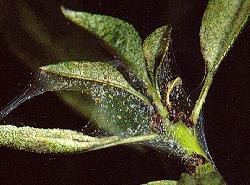

Telltale yellow speckling of the leaves is the first noticeable sign of spider mite damage on any plant.
Spider mites look like a dust on the back of rose leaves - notice the white dust built up along the spine of the leaf. Close observation will show movement.
Spider mites are too small to be seen clearly with the naked eye. Usually plant damage is noticed before you spot the mites themselves. Sometimes the mites will be gone by the time you notice damage.
Mites flourish on water-stressed plants and in hot, dusty conditions. They suck plant juices and spin webs on infested leaves. Predatory mites can be purchased to control pest mites.
Remedies:
Green lacewing
Insecticidal soap
Lady beetle
Predatory mite
Rove beetle
Whiteflies

Whiteflies are tiny, sap-sucking insects related to aphids. The adults, which look like tiny white moths, fly up in a cloud when disturbed. Like aphids, they secrete honeydew, which attracts ants and fosters sooty mold. Columns of ants moving up and down a plant may also indicate a whitefly problem. Ants protect whiteflies from their natural predators in order to maintain a supply of honeydew. Controlling the ants may allow natural predators to help you manage this pest.
Some whiteflies transmit viruses. Whiteflies prefer warm weather and are common in greenhouses.
Remedies:
Green lacewing
Insecticidal soap
Parasitic wasp
Sticky trap
Slugs/Snails
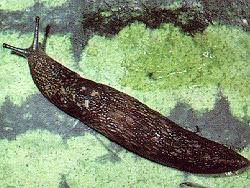
Slugs are mollusks, landlocked relatives of clams, squid, and octopus. They thrive in moist, shady surroundings. Similar to snails, slugs secrete a slimy mucus on which they glide along, leaving telltale silvery trails. They spend daylight hours hiding and come out at night to feed. Slugs can eat 30 to 40 times their weight every day.
Help prevent slugs by removing garden debris (loose boards, old pots). Slugs hide in cool places.
Hand picking can help control slugs. Hunt them at night with a flashlight and drop in soapy water. Hunt for pearl-like egg clusters in the fall to reduce populations.
Remedies:
Centipede
Copper slug barrier
Ground beetle
Rove beetle
Slug traps
Mealybugs
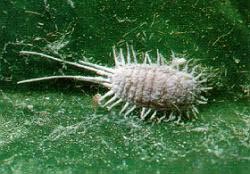
These sap-feeding aphid relatives may occur on houseplants, shrubs, and trees. They have a white or gray mealy wax coating that prevents insecticides from penetrating. They feed in dense colonies that may be thick enough to form white, sticky clusters on stems and leaves.
They produce honeydew, which attracts ants and produces sooty mold. Ants protect mealybugs from their natural predators in order to maintain a supply of honeydew. Controlling the ants may allow natural predators to help you manage this pest.
Remedies:
Horticultural oil
Hover fly/Syrphid fly
Insecticidal soap
Lady beetle
Cutworms

Cutworms attack tender young garden plants, clipping stems off at ground level. They are dull-brownish caterpillars, the larvae of various moths. They curl up into a C-shape when disturbed. Cutworms are most active at night.
Remedies:
Ground beetle
Tachinid fly
Ants
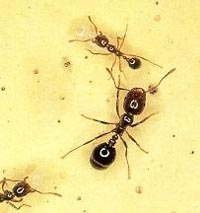
Some ants are important enemies of insect pests. However, some ant species cause trouble in the garden and orchard. The most common problem is with ants that feed on honeydew, a sugary sap produced by insects such as aphids, whiteflies, mealybugs, and soft scales.
Ants may protect their honeydew supply by driving away these insects' natural enemies. A column of ants marching up and down a tree trunk usually means an infestation by honeydew feeders.
Remedies:
Sticky barrier
